


Written by Kellie Steed Reviewed by Chris Duckworth
Sources
27 July 2026
First Published
If you’re planning to carry out structural improvements to your property, whether it’s your own home, or a commercial premises, a refurbishment bridging loan could provide the fast, flexible short-term funding that you need.
Bridging loans can be used for a range of purposes, from buying or remortgaging the property through to the total refurbishment costs. They have a flexible repayment structure which can be tailored to your specific project timelines. Here we look at the benefits and drawbacks to using this form of finance to fund a renovation.
What is a refurbishment bridging loan?
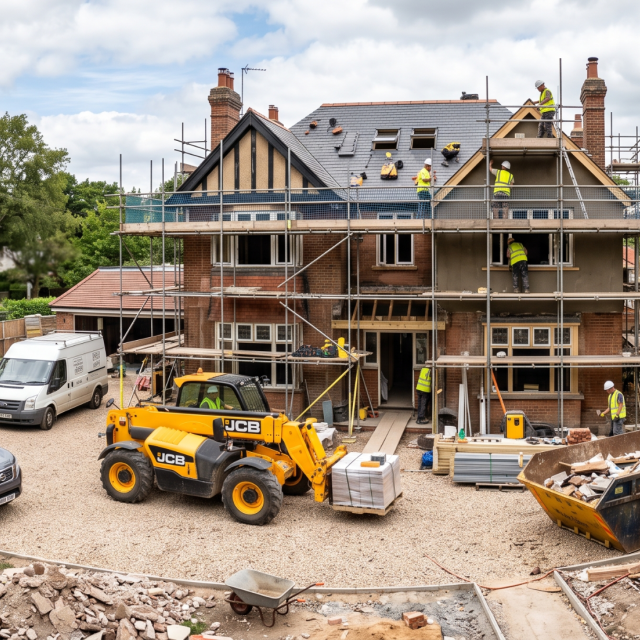
Bridging loans can be used for multiple purposes; there aren’t products that exist exclusively for refurbishment projects. However, property investors, landlords, and homeowners alike often favour this form of finance when they plan to do extensive property upgrades, extensions or modernisations for the following reasons:
-
Focus on future value - bridging loans are based on the property's potential value after refurbishment, known as the gross development value (GDV). This is unlike traditional mortgages, which typically require a property to be immediately habitable
-
Upfront fund availability - while funds are often delivered in stages, it’s possible to borrow enough money upfront to get the project started, and even purchase the property prior to renovation, if necessary
-
Benefit from property bargains - using bridging loans for refurbishment allows property investors to purchase otherwise un-mortgageable property via auction at a huge discount, meaning they can maximise their profit margin
-
Simple exit strategy - Most lenders accept sale of the refurbished property as the exit strategy for the loan. Not needing to use another asset to guarantee the loan reduces the risk to your broader portfolio
Light refurbishment vs heavy refurbishment bridging loans
Lenders tend to split projects into either light or heavy refurbishment, based on their scope, scale, complexity and total cost. This is one of their major considerations used to determine loan pricing, as well as the loan-to-value (LTV) at which they are willing to lend to you.
While each bridging lender varies, they largely categorise them as follows:
Light refurbishment
This label typically applies to non-structural modifications and cosmetic improvements that don’t need planning permission. Often they will not require any building regulations oversight, although may still need regulatory certifications, such as those required for electricity or gas installations.
Light refurbishment bridging loans are often available at up to 75%-80% LTV, as they involve minimal structural risk. Lenders may also offer lower interest rates and the loan can generally be paid in one lump sum.
Alterations that may fall into this category are:
-
New kitchens or bathroom installation within existing rooms
-
Purely plumbing or electrical replacements, such as fitting a central heating system
-
Significant plastering or the installation of new flooring
-
Replacing windows and doors
-
Decoration and other internal aesthetic upgrades
-
Minor repairs
Heavy refurbishment
Bridging loans considered to be ‘heavy refurbishment’ are generally for projects that involve major structural works, such as significant layout changes. They are also typically considered heavy refurbishment if formal planning permission or building control approval is required.
Due to the higher risk in this type of project, lenders often use the metric ‘Loan-to-GDV’ rather than LTV. The maximum loan offered is usually lower, at around 65%–70% GDV. Funding is typically released in stages (or tranche drawdowns) at significant stages in the project. Lenders will require an independent monitoring surveyor (IMS) to sign off the previous stage of the project works before releasing funds for the next stage.
Some examples of heavy refurbishment include:
-
Structural additions to an existing property, such as an extension
-
Repurposing of large areas of a property, such as a loft or basement conversion
-
Movement of any load-bearing walls or otherwise converting single dwellings into separate units (such as with HMO properties)
-
Full restoration of uninhabitable buildings
-
Extensive structural timber work such as roof replacements
Eligibility criteria
Bridging lenders rely on security, rather than income when approving bridging loans for refurbishment purposes. They will require proof that the project is realistic and achievable, and are likely to need all necessary planning permission and regulatory certification to be in place.
While criteria varies from one bridging lender to the next, your project will typically need to meet the following:
-
Either the property to be renovated and/or any alternative assets offered as security must have sufficient equity and clear ownership
-
A full project plan with detailed budget and timelines will need to be provided
-
A viable exit strategy must be decided, whether that’s sale of the renovated property or refinancing onto a traditional residential or buy-to-let mortgage
-
Lenders prefer applicants to provide evidence of prior experience with renovations or that they are employing accredited project managers and contractors if they do not have personal experience. This is even more critical for heavy refurbishment projects
Top UK lenders for refurbishment bridging loans
Here are some of the leading UK bridging lenders that provide competitive products for both light and heavy property refurbishments:
|
Lender |
Loan Amount Range |
Max LTV / LTC |
Supported Refurbishment Types |
Key Product Features |
|
£100k – £10m+ |
Up to 75% LTV (70% GDV) |
Light & Heavy Refurbishment |
No administrative exit fees, fast turnaround, 100% build funds provided in stage releases. |
|
|
£50k – £5m |
Up to 75% LTV |
Light & Heavy Refurbishment |
Flexible criteria, considers unusual property types, auction funding specialists. |
|
|
£125k – £15m |
Up to 75% LTV (65% GDV) |
Light & Heavy Refurbishment |
Dedicated refurbishment team, competitive rolled-up interest options. |
|
|
£100k – £30m |
Up to 75% LTV |
Light & Heavy Refurbishment |
Specialists in quick London completions, search-validation products available. |
|
|
£100k – £25m |
Up to 70% LTV (70% GDV) |
Light & Heavy Refurbishment |
Transparent terms, dedicated monitoring surveyors for stage drawdowns. |
|
|
£150k – £15m |
Up to 75% LTV |
Light & Heavy Refurbishment |
Strong institutional backing, seamless transition options to long-term buy-to-let loans. |
|
|
£75k – £3m |
Up to 75% LTV (70% GDV) |
Light & Heavy Refurbishment |
Developer-centric approach, flexible drawdown schedules for conversions. |
However, keep in mind that there are many more bridging loan providers available, each with their own criteria and terms. To ensure you get the best finance for your project, whether that’s a bridging loan or an alternative form of renovation funding, it’s best to speak to a broker with experience in this niche.
How to apply
Whether you’re an experienced developer, or first time renovator, it’s a good idea to discuss your scope of work, and exit strategy with a specialist broker before you apply for a bridging loan for refurbishment.

Speak to a bridging finance specialist today
When do you start repaying the loan?
When structuring short-term finance it’s important to understand how substantial your project is in the eyes of bridging lenders. While bridging loans are typically much more flexible in terms of both the release and repayment of funds than standard mortgages, the level of refurbishment you plan to carry out can impact both.
The repayment is structured around how you choose to service the interest on the loan. Most providers give the following options:
-
Rolled-up Interest: No monthly interest payments are made during the loan term. Interest accrues monthly and is calculated into the total loan amount. This is then repaid in full at the end of the loan term. This is usually suitable for those who plan to sell the property, allowing them to repay the loan in one lump sum
-
Retained Interest: No monthly interest payments are made during the term, but instead of accruing during the loan term, the total chargeable interest is agreed before the loan starts. This is added then deducted from the total when the loan is paid to you on completion of your project (i.e when you receive the loan in arrears, not in advance/in tranches
-
Serviced Interest: Similarly to an interest-only mortgage, you pay just the interest accrued each month. Then at the end of the term you only have to repay the loan amount. However, you will need proof of monthly income to be approved for this type of credit arrangement
You can use our bridging loan calculator to determine how much you might be able to borrow and what the repayments would look like depending on your interest type.
Alternative ways to fund a refurbishment project
While bridging loans offer a flexible short term finance option for both minor and substantial renovation projects, they are not suited to everyone. You may also wish to consider one of the following options, if available to you:
-
Renovation mortgages: A longer term finance option usually only available to owner-occupiers
-
Further advance: Remortgaging to unlocking equity from existing properties could fund your refurbishment project
-
Development finance: This specialist finance is more suited to complete development projects or larger scale conversions, such as turning multi-unit commercial property into flats
-
Unsecured personal or business loans: If you’re only planning minor refurbishments such as decorative or repair works under £25,000, it may be possible to use this type of loan. However, not all loan providers will lend for this purpose
Why choose Money Helpdesk?
Bridging finance is a high risk form of borrowing, and can be costly if you don’t have expert knowledge to help you avoid pitfalls. Our brokers have the knowledge, experience and contacts to help you get the best bridging loan for your circumstances. Equally if they don’t feel that a bridging loan is the most suitable finance for you, they can help you to choose the right alternative.
Ready to take advantage of a free, no-obligation chat with a bridging finance expert who can compare every deal on the market? Get started here to connect with an expert today.
FAQs
Yes, you can, but you’ll need to have the legal right to reside in the property. For example, if you are planning to live in a commercial development during renovation, the planning permission would need to clarify a designated residential element to the property.
London is a unique market with elevated property values, high square-footage demand, strict conservation rules, and rapid auction cycles. Some key considerations when opting for bridging finance for a London-based refurbishment project are:
-
You may be able to borrow more given that London properties command higher end valuations
-
Much of London's residential housing stock consists of Victorian, Edwardian, or Georgian architecture which exist in designated conservation zones. Projects involving basement conversions or external alterations face rigid council oversight
-
It may be possible to use a refurbishment bridging loan to extend a short lease on a London flat at the same time. This is a popular strategy in the Greater London market, where many leasehold flats have fallen below 80 years and therefore, un-mortgageable
-
Bridging lenders typically insist on a mandatory cost contingency of 10% to 20% built into your Schedule of Works. Particularly in London, where unexpected structural issues in older buildings and parking/scaffolding permits can drive up project costs unexpectedly
Lenders recognise that construction delays happen. However, it’s important to apply for an extension before the loan expires. Most lenders will allow a 3-6 months extension if you can show evidence of an accepted delay, such as supply chain issues or contractor delays. However, this can involve a fee.
If your lender is not willing to extend the loan, you may need to refinance with another lender. It’s always best to contact your lender at least 60 to 90 days before your term ends if delays look likely.