


Written by George Sweeney Reviewed by Craig Watson
Sources
9 June 2026
First Published
If your company is looking to reduce costs, improve visibility of energy usage, or better manage your sustainability targets, installing a smart energy meter is worth considering.
Here, we explain what smart energy meters are, how they work in commercial environments, the different types of meters available, the benefits for your business, and how to ensure you get the right setup for your premises.
What is a smart energy meter?
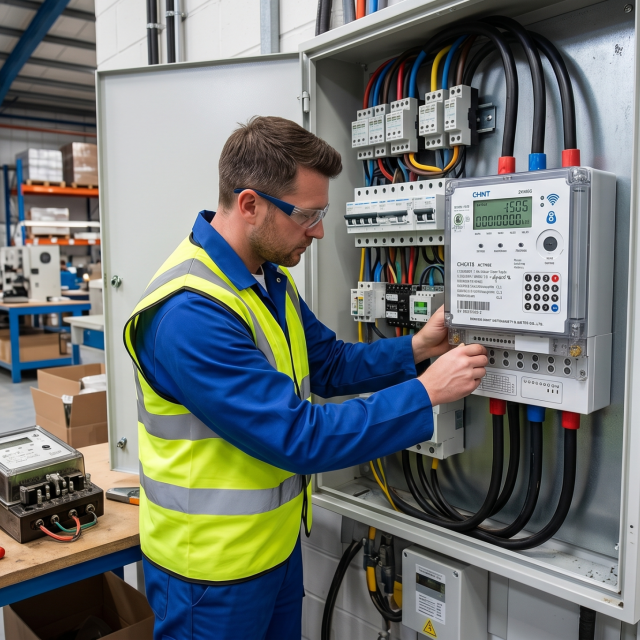
It’s a digital device installed on-site that precisely records your business’s gas or electricity usage in near real time and automatically sends the readings to your energy supplier.
Unlike traditional energy meters, which often rely on manual readings or estimated billing, smart meters provide more accurate and frequent data, helping businesses better understand (and manage) their energy consumption.
For many UK businesses, smart meter installation is now a key step towards improving energy efficiency and reducing unnecessary costs.
Types of smart meters for businesses
There are several types of smart energy meters available for commercial properties, depending on your size, energy usage, and operational requirements.
Single smart meters
These single-rate meters measure either electricity or gas usage individually. They’re commonly used in smaller business premises such as:
-
Small offices
-
Retail shops
-
Cafés and salons
Dual smart meters
A dual-rate smart meter measures both gas and electricity through a combined setup. These are useful for businesses that want simplified energy monitoring within a single system.
Advanced smart meters (SMETS2)
Second-generation smart meters (SMETS2) are now the standard across the UK (replacing the earlier SMETS1 devices), and these smart meters:
-
Automatically send readings to suppliers through a secure network (DCC)
-
Provide more accurate billing with no need for manual readings
-
In most cases, removes the need for a meter change when switching suppliers
Half-hourly smart meters
Larger businesses with higher electricity consumption may require half-hourly (HH) metering, which records usage every 30 minutes and sends data directly to suppliers.
These are often required for high-energy users, such as:
-
Manufacturing sites
-
Warehouses
-
Large hospitality venues
AMR (Automatic Meter Reading) meters
Some commercial sites still use AMR systems, which automatically send readings but are gradually being replaced by newer smart meter technology.
Benefits of switching to a smart meter
Switching to a smart energy meter can offer several advantages for your business, particularly when it comes to cost control and operational efficiency:
-
Better visibility of energy use: Smart meters provide detailed insights into when and how your business uses energy, helping you identify inefficiencies.
-
More accurate billing: Because readings are sent automatically, estimated bills are reduced, improving financial accuracy and cash flow management.
-
Improved energy management: Access to real-time or near real-time data allows businesses to make informed decisions about usage and reduce waste.
-
Easier supplier switching: Smart meters make it easier to switch energy suppliers without needing manual meter readings or engineer visits.
-
Support for sustainability goals: For businesses focused on Net Zero or ESG reporting, smart meters provide essential data to track carbon and energy performance.
How an energy adviser can help
Choosing the right smart meter setup isn’t always straightforward, particularly for businesses with multiple sites, high consumption, or legacy metering systems.
An experienced energy adviser can help your business by:
-
Reviewing your current metering setup and energy usage
-
Identifying whether smart, half-hourly, or AMR meters are most suitable
-
Producing a detailed breakdown of your business energy consumption
-
Calculating potential savings from improved smart meter monitoring
-
Coordinating installation with suitable smart meter providers
-
Helping integrate energy data into wider efficiency or carbon reduction strategies
Because every business uses energy differently, tailored advice ensures you choose the right metering solution rather than a one-size-fits-all approach.
If you’d like to explore smart energy meter installation or get better visibility of your business energy usage, you can get started by speaking with an experienced energy adviser below.

Book your free business energy health check
Best commercial smart meter providers
Most major UK energy suppliers and metering providers offer smart meter installation and support for business customers, although availability can depend on your premises and usage.
-
British Gas: One of the largest UK suppliers offering smart meter installation for small and medium-sized businesses, along with half-hourly metering for larger commercial users.
-
EDF Energy: Provides SMETS2 smart meters and advanced metering solutions for businesses, including options for larger sites requiring more detailed consumption tracking.
-
E.ON Next: Supports smart meter rollout for smaller businesses, while npower Business Solutions focuses on larger commercial and industrial customers with half-hourly metering solutions.
-
Octopus Energy: Offers smart meters as part of its business energy contracts, with a strong focus on digital energy monitoring and usage tracking tools.
-
SSE Energy: Supports smart and advanced metering for larger commercial sites, particularly those with higher energy demands or multi-site operations.
Alternative ways to make your business more efficient
Smart meters are just one part of improving overall business energy efficiency. Other measures you may want to consider include:
-
Upgrading to LED lighting or installing automated heating controls
-
Investing in an energy-efficient heat pump
-
Improving insulation and building fabric efficiency
-
Renewable initiatives like installing solar panels or on-site generation
-
Switching to energy-efficient HVAC systems
-
Carrying out regular business energy audits
-
Reviewing your supplier contracts and tariffs with a bill validation
In many cases, combining smart metering with wider efficiency improvements delivers the greatest long-term cost savings.
Financial supports and tax relief
While smart meters themselves are typically installed at no upfront cost through your energy supplier, businesses may benefit from wider financial support when improving energy efficiency more broadly.
Full Expensing (100% first-year tax relief)
Companies paying Corporation Tax can typically deduct the full cost of qualifying plant and machinery in the year of purchase.
This can include energy management systems installed alongside smart metering infrastructure (such as monitoring hardware, control systems, or upgraded electrical equipment).
Annual Investment Allowance (AIA)
Sole traders and partnerships may be able to claim 100% tax relief on qualifying capital equipment purchases up to £1 million per year.
This could include eligible metering infrastructure and any linked energy-efficiency equipment used by the business.
Energy Technology List (ETL)
Certain energy monitoring and efficiency technologies may qualify for inclusion on the government-backed ETL.
When equipment is ETL-approved, it can mean accelerated capital allowances, helping businesses demonstrate compliance with HMRC standards for energy-efficient investment.
Business Rates Relief for green improvements
Some low-carbon and energy-efficiency improvements can qualify for business rates exemptions or reliefs.
Particularly, when on-site energy generation or qualifying low-carbon infrastructure is installed alongside metering and monitoring systems. This relief is available in England until 31 March 2035.
VAT relief on energy efficiency upgrades
While smart meters alone are usually standard-rated for VAT, wider installations of energy-saving materials and qualifying works may benefit from 0% VAT (until March 2027), depending on the nature of the installation and whether they form part of an energy-saving system.
Get independent renewable energy advice
Installing smart energy meters can be a key step in improving how your business monitors and manages energy use. However, choosing the right metering setup and supplier arrangements can depend on your consumption, site size, and long-term efficiency goals.
Here’s why businesses across the UK use Money Helpdesk when exploring smart energy meter solutions:
-
Access to experienced commercial energy advisers
-
Support selecting the right smart metering setup
-
Guidance on evaluating energy data and reducing costs
-
Free initial chat with no obligation to proceed further
If you’d like to explore smart meter installation or improve your business’ wider energy strategy, you can get started here.
FAQs
Installation times can vary depending on supplier availability and the complexity of the site, but most business smart meter installations are completed within a few weeks.
No, smart meters are not legally required for all businesses, but plenty of suppliers actively encourage installation, primarily to ensure more accurate billing and energy management.
In most cases, smart meters are installed by your energy supplier at no direct cost to you, although eligibility and availability can depend on your specific contract and premises.
Yes, while smart meters don’t directly reduce prices, they do provide detailed usage data that can help businesses identify energy inefficiencies and reduce unnecessary consumption, which will indirectly reduce costs.
A smart meter typically sends automatic readings daily (sometimes more frequently), while a half-hourly meter records energy usage every 30 minutes and is typically used for higher-consuming commercial sites with more advanced monitoring needs.